

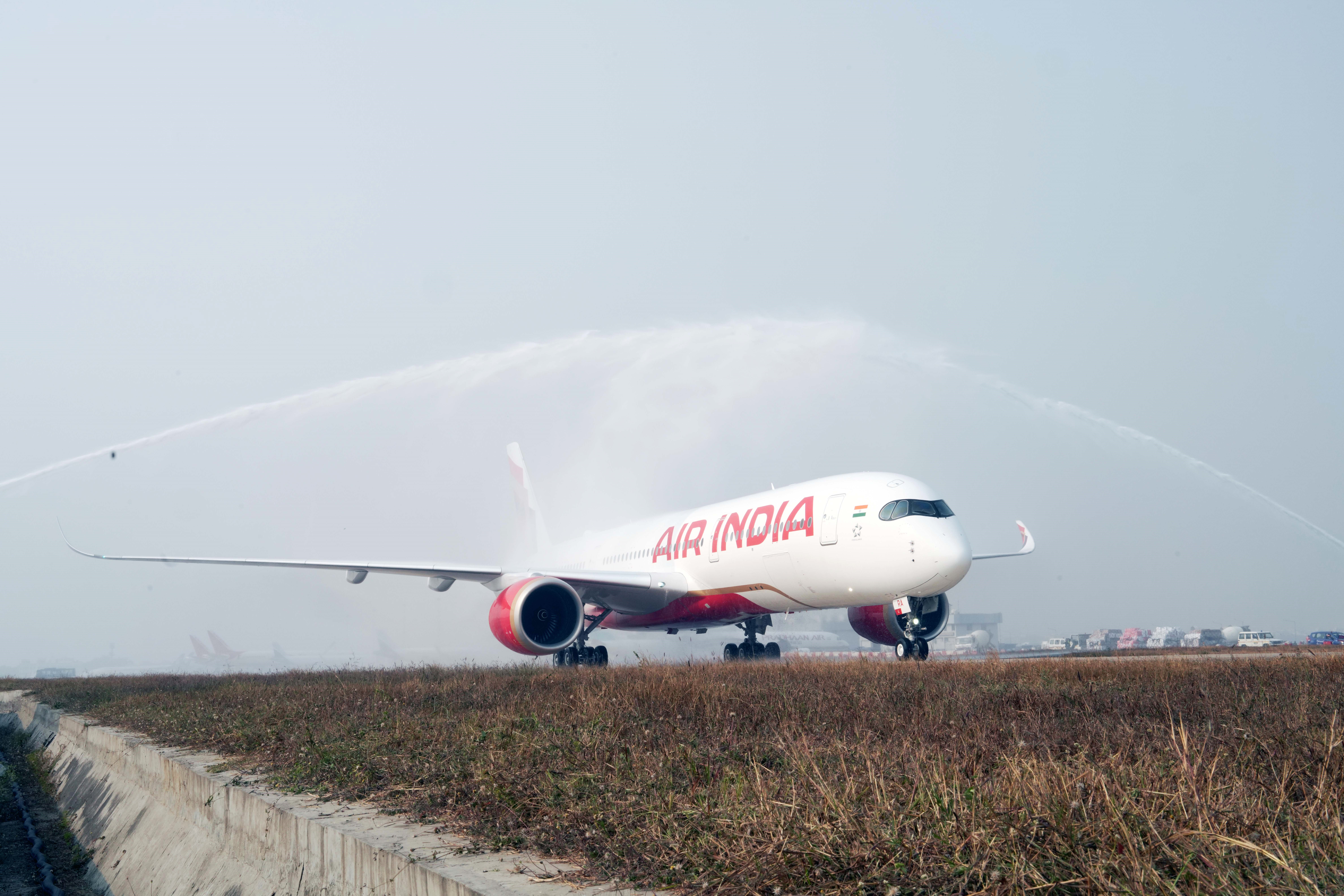
Four years after Tata Group took over Air India on January 27, 2022, the airline has made substantial strides in its turnaround but the central theme to everything continues to be “delays”. Today marks four years since the Tata group welcomes Air India as homecoming. In the middle of the pandemic and before things returned to normalcy, Tata group which then was running two different airlines, Vistara with Singapore Airlines and AirAsia India with AirAsia Bhd, decided to bid for Air India and won the bid. Over the years, it got rid of AirAsia Bhd from the partnership which had more negative news around it over the years and inducted Singapore Airlines as a partner with 25.1% stake in the merged Air India, which holds 100% stake in its “value carrier” Air India Express.
Delay the central theme
One thing which has remained a central theme is delays. The airline came up with a five year Vihaan.AI turnaround plan. This plan envisioned retrofit of all planes in its fleet, addition of temporary capacity and new orders. The new orders were announced in February 2023, subsequently signed later that year, with the first of the planes from that order coming in the same year, thanks to availability due to sanctions on Russia.
However, delays have continued to an extent that the B777 program will now see a retrofit completion only in 2028. When the first Dreamliner went for retrofit in the US, the announced induction timeline was December 2025. The aircraft is yet to fly back to India. The A320 refit program was also delayed, repeatedly missing the deadlines announced by the airline itself.
New captain on the horizon?
News reports are indicating that the group is looking for a new Chief Executive Officer to replace Campbell Wilson. If this happens when his term expires or earlier will be known in due course. The group probably needs someone who is omnipresent and on the feet and leading from the front. More often than not, a person who is visible on ground makes an impact for the customer facing employee and passengers to make a connection like no other.
Who will take the corner seat and how will the airline evolve from there is anybody’s guess at the moment? The airline sure needs to focus on realistic goals and achievements rather than announcements which do not materialise on time. While the supply chain issues are for real, a disconnect between announcements and actual timelines on a regular basis signifies the disconnect from reality which needs a course correction.
Network Stability a challenge
The group focused on Air India Express to dominate the regional routes as well as domestic ones, with a strategy which focuses on metro routes being with Air India and metros beyond Mumbai and Delhi being with Air India Express (AIX), primarily. However, AIX has had a large network churn over the last two years, starting routes, canning them and restarting again in some cases.
In the past, Kingfisher Airlines and Jet Airways have tried multiple permutations and combinations to have their premium and low cost or value offering separate, which have included segregating stations or sectors or sometimes timings but there isn’t a perfect way yet. Equity partner Singapore Airlines also has a LCC offering Scoot.
Lot of things on the horizon
There are a lot of positive things which now look on the horizon. First amongst that is the induction of line-fit planes which have now started joining the fleet. These are made for Air India and will feature a product chosen by Air India. This year would see some flagship lounges being operational, along with the training academy in Amravati taking to the skies. More and more “Made for Air India” planes would join the fleet.
Tail note
It is often said that when one door closes, another opens. For Air India, this has been true but for its problems. When the airline has managed to close the lid on one problem, another has opened up. The IndiGo chaos may have propelled Air India to a one-off 30 percent market share in December, which we will know when the regulator declares the monthly and yearly summary. This joy will be momentary.
The last year has been shadowed by the deadly AI-171 crash. As we enter the fifth year of Air India privatisation, the focus should now shift from regulatory and safety to growth and service along with factoring in the long term challenges of geopolitical issues, airspace closures and a sliding rupee.
Will this be the most glorious year of privatised Air India? I rather expect it to be one full of surprising announcements.
Found this article informative? Think of supporting Network Thoughts with Power of 10

Running this website incurs some cost, along with the data sourced for analytics. If you have liked this article, consider paying INR 10 via UPI. The site will continue to be free. This will help with the maintenance, upkeep and funding the research. You can also pay via Debit or Credit card by clicking on this link.
You can support Network Thoughts by ordering Network Thoughts baggage tags and lapel pins !
Follow NetworkThoughts on X (Formerly Twitter), Bsky, Facebook and YouTube