

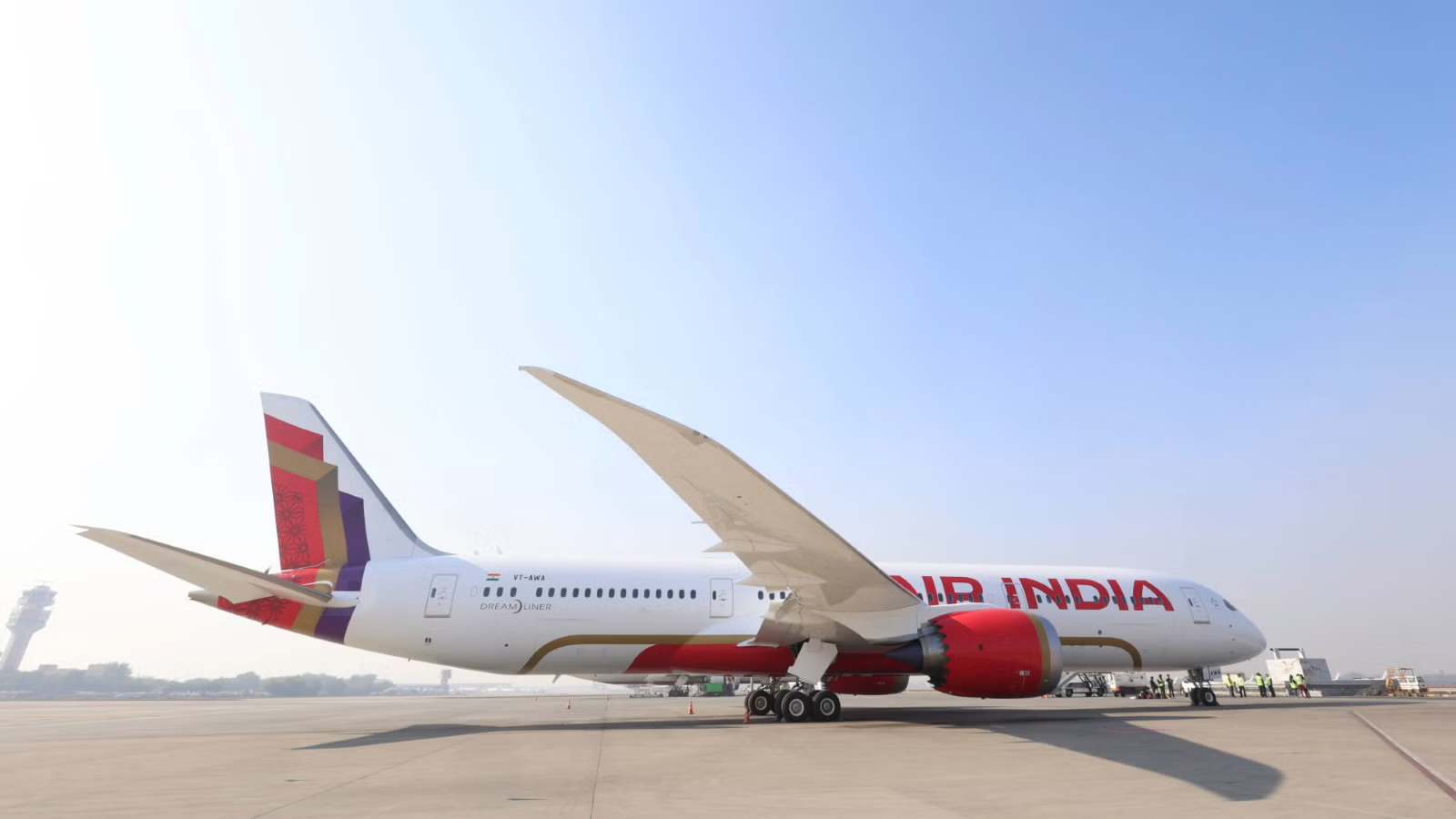
Recently, Air India announced two MoUs, one each with equity partner Singapore Airlines group and one with Lufthansa group with which it has had close co-operation for years even pre-privatisation. The Lufthansa and Air India MoU talks about “Commercial cooperation framework to boost connectivity and more consistent travel experiences between India and Europe”, while the Singapore Airlines and Air India MoU is also a commercial cooperation framework.
The Lufthansa group comprises Lufthansa along with major airlines like Austrian Airlines, Brussels Airlines, ITA Airways, Swiss International Air Lines (SWISS). The group also has stakes in Eurowings. Swiss and ITA currently operate to India, while Austrian and Brussels Airlines have operated in the past.
What is common?
- MoU to establish the framework for a joint business agreement
- Build on the existing codeshare arrangements that the airlines have with each other
- Improve connectivity and seamless connections
- Single ticket bookings and increased options
This would form the basis of any future collaboration and the MoU will pave way for officially exploring opportunities between the various airlines, the regulations and processes to get approvals, along with establishing a baseline for the long term collaboration.
What does that mean?
There are two clearly called out focus areas with Lufthansa, the initial focus of increasing passenger traffic flows between Air India and Lufthansa and the next focus being increasing traffic between Europe and the Indian subcontinent via respective hubs. There also remains a similar focus for Singapore Airlines. Air India would possibly have two large partners, one on the east, one on the west to build on the expansive bank which Air India itself plans over the next few years.
Air India will thus open up more destinations for its passengers aggressively via Singapore as well as via Frankfurt and Munich (Not operated by Air India at the moment). Both Lufthansa and Singapore Airlines are Star Alliance members.
With Singapore Airlines, the MoU also talks about exploring partnership for Corporate Travel programs, while with Lufthansa there is talk of Frequent flier program, IT infrastructure, Joint sales, marketing and distribution initiatives being explored.
Air India flies to Frankfurt from Delhi (12x weekly) and Mumbai (5x weekly), with flights to Singapore from Delhi, Mumbai and Chennai, with a total of 50 flights a week. Likewise Lufthansa and Singapore Airlines operate to multiple Indian cities. The transfer of passengers from one to another to points served exclusively could well be the beginning transforming it to multiple options being provided in future. Let’s take Australia for example. A lot of traffic between India and Australia flows via Singapore, Malaysia and Thailand. With both Air India and Qantas having non-stop flights, can Air India still tap into the traffic of one-stop with partnership with Singapore Airlines? A similar logic applies to points in Europe where Air India does not fly and passengers fly other airlines from India. This will help Air India offer a wider choice to its frequent flier members, take away traffic from competition and benefit Lufthansa.
Future metal neutral pact?
All the indicators right now are of a future metal neutral pact with both airlines. A metal neutral pact is a highly integrated joint venture between airlines where partners operate as if merged, sharing revenues, costs, capacity, pricing, and scheduling indifferently to which airline’s aircraft (“metal”) flies the passenger. This arrangement mimics a virtual merger without violating nationality rules, enabling seamless coordination on routes like transatlantic or India-Europe. Airlines become indifferent to the operating carrier, focusing instead on joint profit maximization.
One of the core focus areas for metal neutral pact is product. Airlines would want the same or similar or comparable product across the airlines in question to ensure that the pricing can be managed well and passengers opt for it. With Air India’s transformation in progress, the time is now right to start with small steps translating into future pacts.
Network Thoughts
As more planes join Air India, it could look at launching more flights to Europe, followed by flights to the same points from multiple destinations. The natural progression for any network when it reaches a daily capacity is to add from the second hub. A classic example is that of Lufthansa which entered India with flights from Frankfurt, expanding to Munich – India flights later. Air India would do similar with Mumbai – Europe flights to the points which are already served from Delhi. With increased co-operation, a passenger from cities beyond Mumbai and Delhi would have multiple options to travel, either via Delhi or Mumbai and on Lufthansa or Air India or a mixed itinerary. Things will boil down to execution of this and how seamless things are in case of cancellations, delays and misconnections – an area where a lot of work needs to be done on the Indian side.
Found this article informative? Think of supporting Network Thoughts with Power of 10

Running this website incurs some cost, along with the data sourced for analytics. If you have liked this article, consider paying INR 10 via UPI. The site will continue to be free. This will help with the maintenance, upkeep and funding the research. You can also pay via Debit or Credit card by clicking on this link.
You can support Network Thoughts by ordering Network Thoughts baggage tags and lapel pins !
Follow NetworkThoughts on X (Formerly Twitter), Bsky, Facebook and YouTube